Wild Food Recipes
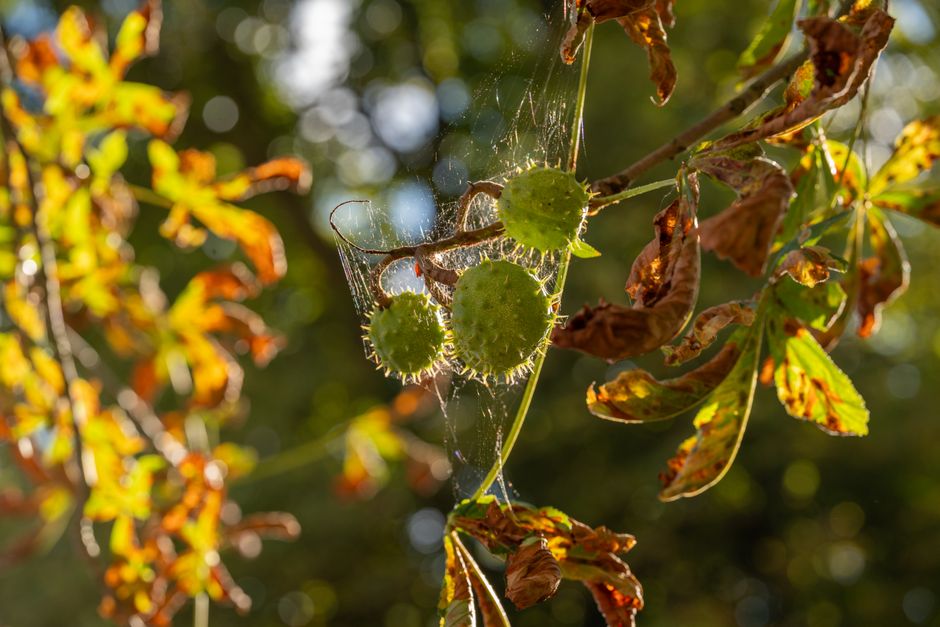
There is something deeply satisfying about filling a canvas bag with glossy brown chestnuts on a crisp October afternoon. The smell of fallen leaves, the crunch underfoot, and the quiet focus of searching the forest floor make chestnut foraging one of the most rewarding autumn rituals. But before you head out with your basket, it pays to know exactly what you are looking for, because not every prickly burr hides a treasure.
The sweet chestnut (Castanea sativa) is the tree you want. Its leaves are long, narrow, and glossy with sharply serrated edges, and in early summer it produces long, creamy catkins that fill the air with a faintly sweet scent. By autumn, those catkins have transformed into spiky green burrs that split open when ripe, dropping one to three shiny brown nuts. Look for trees in well-drained soil, often on slopes or in old parkland and woodland edges where they have been planted for centuries.
This is the part that matters most. The horse chestnut, or conker, is the most common imposter. It looks similar at a glance, but the differences are clear once you know them. Horse chestnut burrs are rounder and covered in shorter, stubbier spikes, and the nuts inside are larger, smoother, and marked with a pale circular scar. They are bitter and mildly toxic, so they belong in a child's pocket, not your roasting pan.
Sweet chestnuts, by contrast, have a pointed tuft at the top and a flat, pale base where they attached to the burr. The shell is dark brown with a slight sheen, and when you cut one open the flesh is pale and firm, not chalky or mottled. If you are ever unsure, do not eat it. A good habit is to forage with someone experienced for your first few trips, or to bring a reliable field guide and cross-check every nut.
Another point of confusion is the water chestnut, which is an aquatic plant entirely unrelated to the tree. And in North America, be aware of the American chestnut, which was devastated by blight but still survives in scattered groves and produces smaller, sweeter nuts. If you find those, treat them as a gift.
Timing is everything. Chestnuts begin falling in late September and continue through October, depending on your region and the weather. The best nuts are the ones that have fallen naturally and are still firm and dry. Avoid any with small holes, which signal weevil larvae inside, and skip nuts that feel light or rattle when shaken.
Wear gloves when you gather, since the burrs are genuinely sharp, and carry a basket or cloth bag rather than plastic, which traps moisture and encourages mould. Once home, give your haul a quick float test in a bowl of water. Sound, healthy nuts sink; the bad ones float and should be discarded. Spread the good ones in a single layer somewhere cool and airy to dry for a week or two, then store them in the fridge in a breathable bag. They will keep for several weeks, though they are best eaten fresh.
Foraging is as much about patience as it is about knowledge. Take your time, learn your trees, and the forest will reward you year after year.
