Preserving & Storage
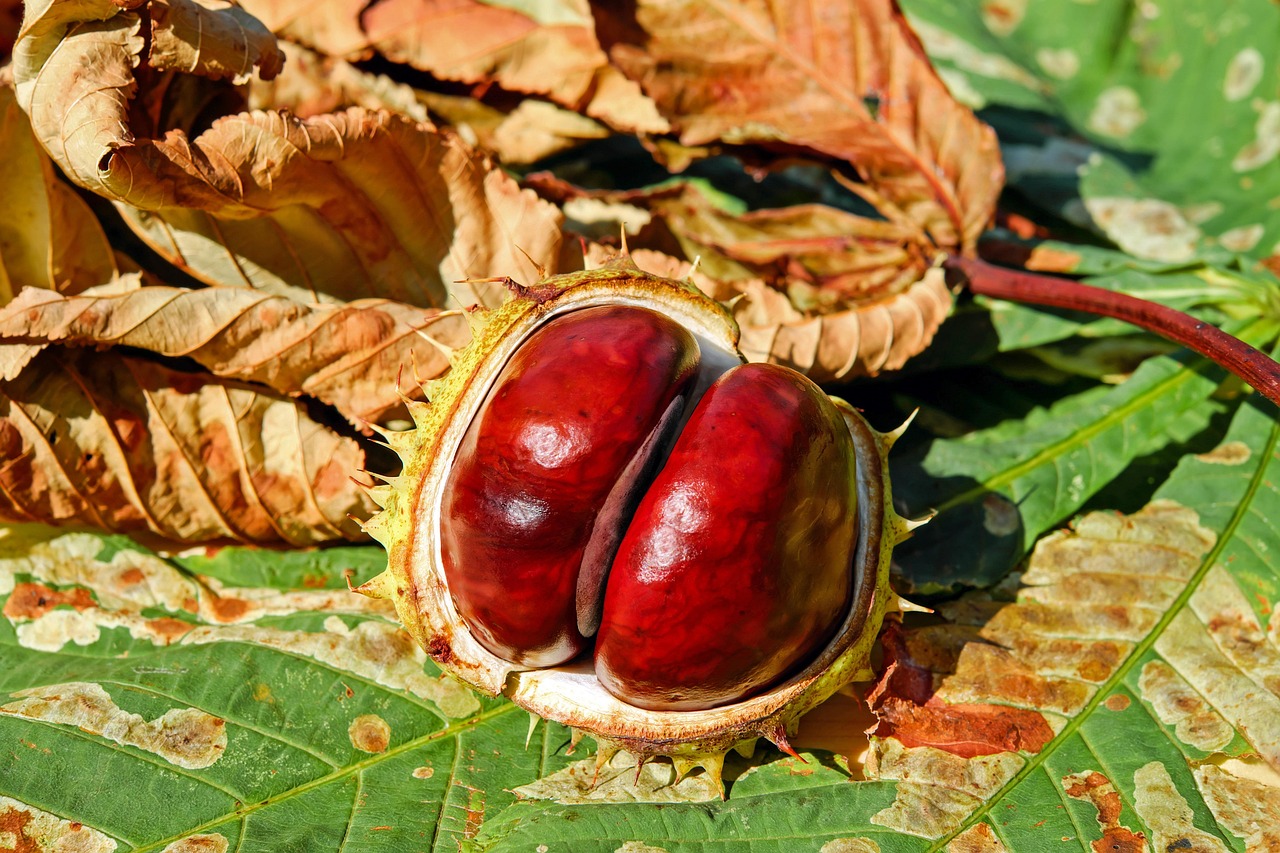
Few foods carry the weight of autumn quite like the chestnut. Whether you picture them sold in paper cones on a city street or tumbling from a burr onto damp leaves, chestnuts are the taste of the season. The good news is that they are remarkably easy to cook, and once you know a few simple techniques, a bag of freshly foraged nuts becomes the start of soups, stuffings, and sweet treats.
The first thing to understand is that chestnuts are unlike other nuts. They are high in starch and low in fat, which gives them a soft, almost potato-like texture when cooked. This also means they spoil faster than almonds or walnuts, so use them within a couple of weeks or freeze them for longer storage. Before cooking, always score the flat side of each nut with a sharp knife. This prevents them from exploding in the oven and makes peeling far easier.
Roasting is the classic method. Heat your oven to around 200°C, spread the scored nuts on a baking tray, and roast for twenty to thirty minutes until the shells curl back and the flesh is tender. Wrap them in a clean tea towel for five minutes to steam, then peel while still warm. The skins come away more readily when the nuts are hot, so work in small batches rather than trying to do the whole tray at once.
Boiling is gentler and works well if you plan to puree the nuts. Simmer scored chestnuts in lightly salted water for about twenty minutes, then drain and peel. The result is softer and milder, ideal for blending into soups or mashing with butter and a little cream. You can also roast them over an open fire in a perforated pan, which is how they have been prepared for centuries and gives them a lovely smoky edge.
If you are working with a large harvest, consider peeling and freezing the nuts whole or pureed. They keep well for several months and save you the fiddly peeling later. Dried chestnuts are another traditional option, though they need long soaking before use.
The simplest pleasure is a bowl of warm roasted chestnuts with a pinch of flaky salt, eaten straight from the shell. Beyond that, chestnut soup is a autumn staple: soften an onion in butter, add cooked chestnuts and stock, simmer, then blend until velvety. A swirl of cream and a scatter of thyme finishes it beautifully.
Chestnut stuffing is another favourite. Combine chopped cooked chestnuts with breadcrumbs, sautéed onion and celery, sage, and a little stock, then bake alongside your Sunday roast. The nuts give the stuffing a rich, sweet depth that breadcrumbs alone cannot match.
For something sweeter, try chestnut puree folded into whipped cream for a light dessert, or stirred into chocolate for a dense, fudgy cake. In France, chestnut cream is spread on toast and crepes, and once you taste it you will understand why. However you cook them, chestnuts reward a little patience with a flavour that is quietly, deeply satisfying.
