Preserving & Storage
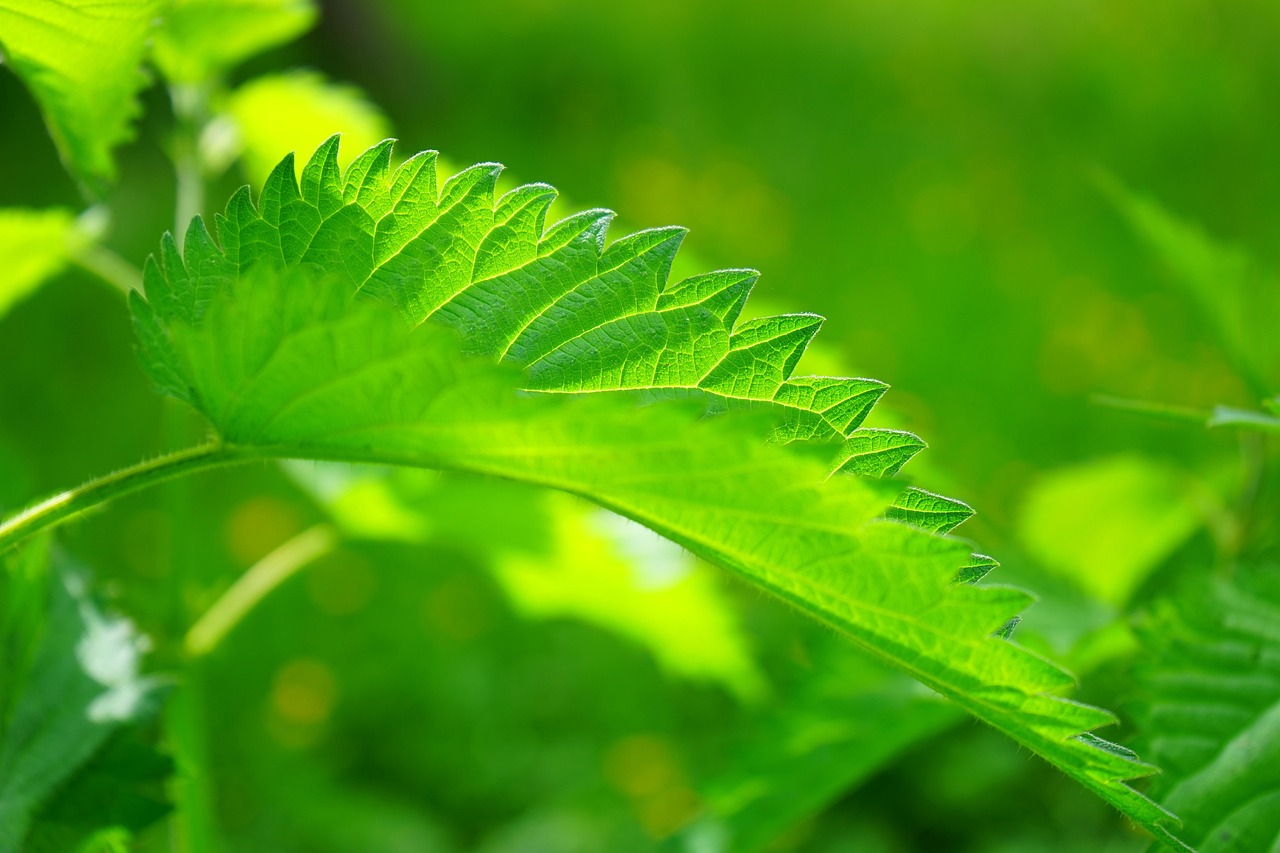
Stinging nettles have a reputation problem. Most people know them only as the plant that ruins a walk in shorts, but foragers know them as one of the first and most nutritious greens of the year. From early spring until the nettles begin to flower, the young tops are tender, mild, and packed with flavor. Once you have made a pot of nettle soup, you may find yourself seeking out patches rather than avoiding them.
The key is to pick nettles young. The best leaves are the top two or three pairs on a plant that has not yet formed seeds. Older leaves become tough and gritty, and once the plant flowers, it is best left alone. Spring is the season, and the earlier the better, though you can often find a second flush of tender growth after a cut-back in early summer.
Gloves are essential, but they are not the only tool you need. A pair of scissors and a basket or bag make the job much easier. Snip the top few inches of each plant and drop it straight into your container. The sting comes from tiny hairs on the leaves and stems, and they lose their power the moment the plant is cooked, dried, or blanched, so once your harvest hits the pan, it is completely harmless.
Choose your patch with care. Nettles love rich soil, which means they often grow near old buildings, farmyards, and places where animals have been kept. That is good for the plants but not always good for the forager, since such spots can be contaminated. Avoid nettles growing right beside busy roads or on land that may have been sprayed. The cleanest patches are usually in quiet hedgerows, woodland edges, and the corners of wild gardens.
When you get home, rinse the nettles in a colander and use them straight away. If you cannot cook them immediately, blanch them for a minute in boiling water, drain, and store in the fridge for a couple of days. They freeze well too, so a big spring haul can keep you in greens for months.
Nettle soup is the simplest introduction. Soften an onion and a potato in butter, add a litre of stock, and simmer until the potato is tender. Add a big bowl of rinsed nettle tops, cook for two or three minutes until they wilt, then blend until smooth. Season with salt, pepper, and a grating of nutmeg, and finish with a swirl of cream. The soup is vivid green, earthy, and deeply satisfying.
Nettles also work beautifully in place of spinach in lasagna, frittata, and pesto, and the young leaves can be dried for tea. Less well known is the seed. In late summer and early autumn, the nettles develop hanging clusters of tiny green seeds. Collect them carefully by cutting the stalks and hanging them upside down over a cloth, then use the seeds like a peppery seasoning or sprinkle them over bread dough. They have a nutty, slightly bitter flavor that is worth the effort.
Nettles are a reminder that the best wild food is often hiding in plain sight. With a pair of gloves and a little patience, you can turn a garden nuisance into a genuine seasonal treat.
